Loading Capital City Roofing...

A roof replacement is one of your largest capital expenditures. Plan ahead with reserve fund calculations, budget timelines, and financing strategies.
Commercial and multifamily property owners who wait until their roof fails face emergency pricing (20–40% premium), limited contractor availability, and potential interior damage to occupied spaces. A proactive CapEx plan spreads costs over time, enables competitive bidding, and protects property value.
| Building Size | TPO System | EPDM System | Standing Seam Metal |
|---|---|---|---|
| 5,000 sq ft | $25K–$50K | $20K–$40K | $40K–$80K |
| 10,000 sq ft | $50K–$100K | $40K–$80K | $80K–$160K |
| 25,000 sq ft | $125K–$250K | $100K–$200K | $200K–$400K |
| 50,000 sq ft | $250K–$500K | $200K–$400K | $400K–$800K |
*Estimates include full system: tear-off, insulation, membrane, flashings, and labor. Actual costs vary by project scope.
The primary roofing material — TPO, EPDM, architectural shingles, etc.
Rigid board insulation (commercial) or batt insulation upgrades.
Crew labor, equipment, and project management.
Drip edge, flashing, pipe boots, ridge vents, walkway pads.
Removal and disposal of existing roofing system.
Building permits, insurance, project coordination, and warranty registration.
Professional roof inspection with core sampling. Establish current condition, remaining lifespan, and preliminary replacement cost estimate. Begin reserve fund contributions.
Update cost projections with current material pricing. Explore financing options. Identify optimal replacement window. Present budget to ownership/board.
Issue RFPs to 3–5 qualified contractors. Evaluate proposals on scope, materials, warranty, timeline, and references. Select contractor and negotiate terms.
Finalize scope, schedule, and tenant/occupant communication plan. Secure permits. Order materials. Begin phased replacement if applicable.
Execute replacement. Document with photos. Register warranties. Update reserve fund projections for next lifecycle.
Build reserves over time through monthly assessments or operating budget allocation. Best for planned replacements with 3+ years lead time.
5–15 year terms with competitive rates. Preserves cash for revenue-generating investments. Predictable monthly payments.
Available for owner-occupied commercial properties. Lower rates and longer terms than conventional loans.
Storm-damaged roofs may qualify for insurance claim coverage. Capital City Roofing assists with documentation and claim management.
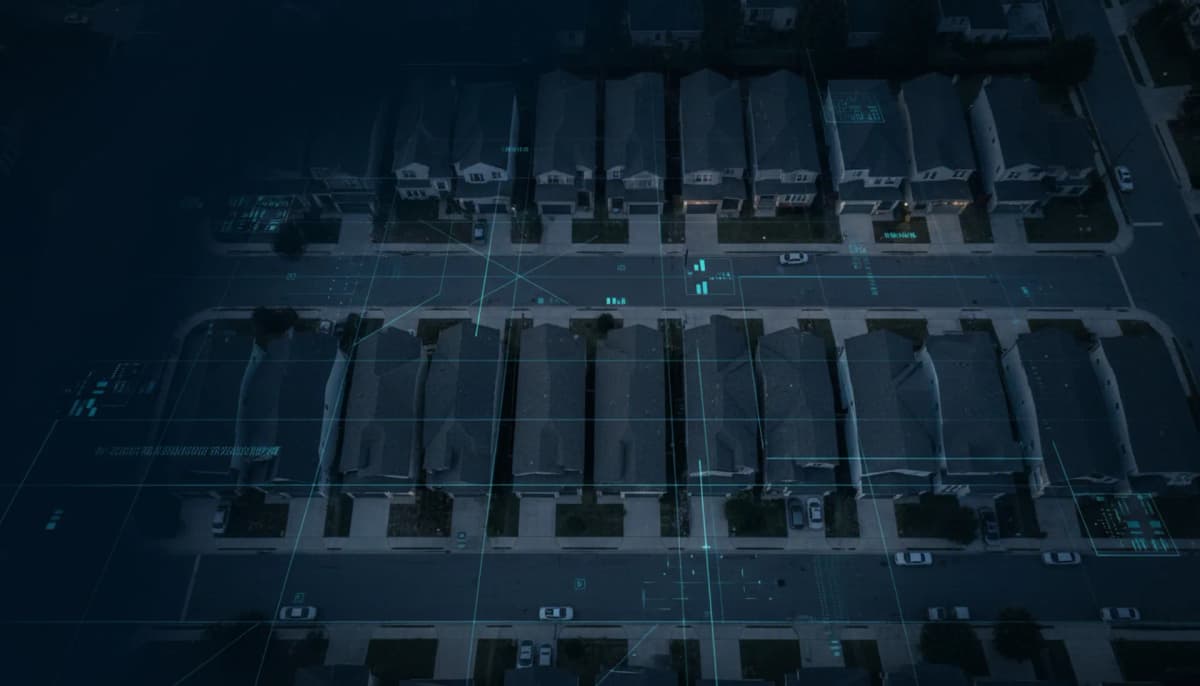
Our commercial team provides detailed assessments and cost projections to support your CapEx planning process.