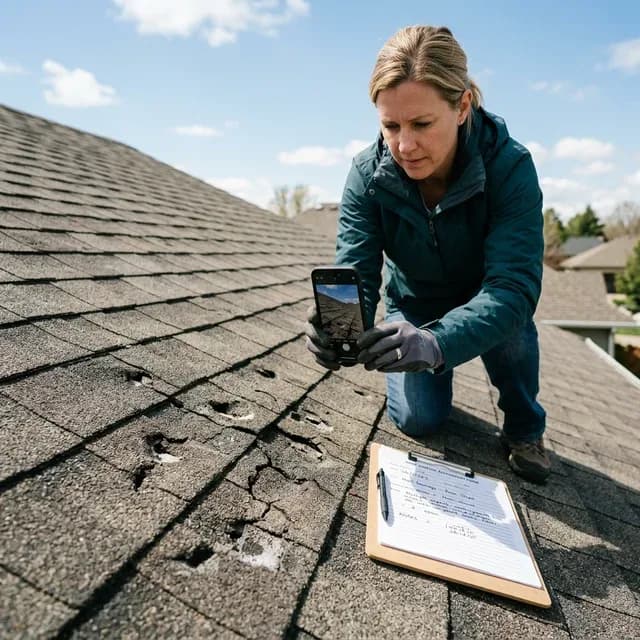
Storm Damage Documentation for Insurance Claims
Professional techniques for documenting storm damage to maximize insurance claim approval and settlement.
Proper documentation is the difference between claim approval and denial, complete settlement and underpayment.
## Immediate Documentation Steps
After severe weather, document damage as soon as it's safe. Take clear photos from multiple angles, including wide shots showing context and close-ups of specific damage. Record video walkthroughs of damaged areas. Note the date, time, and weather conditions. Save weather reports confirming the storm event.
## What to Document
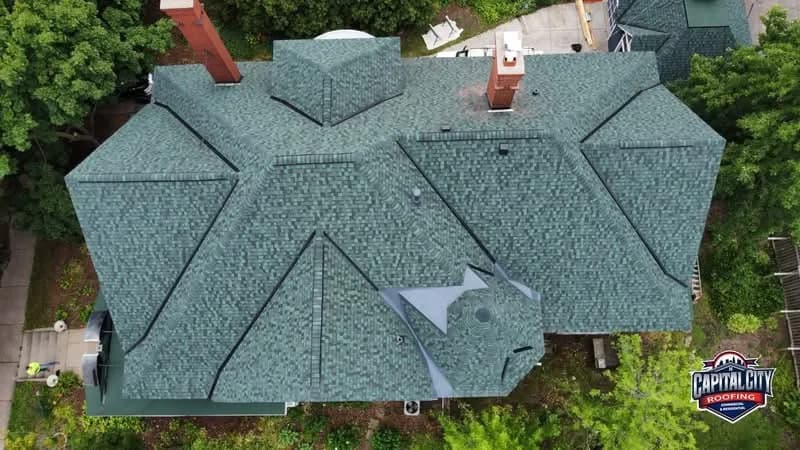
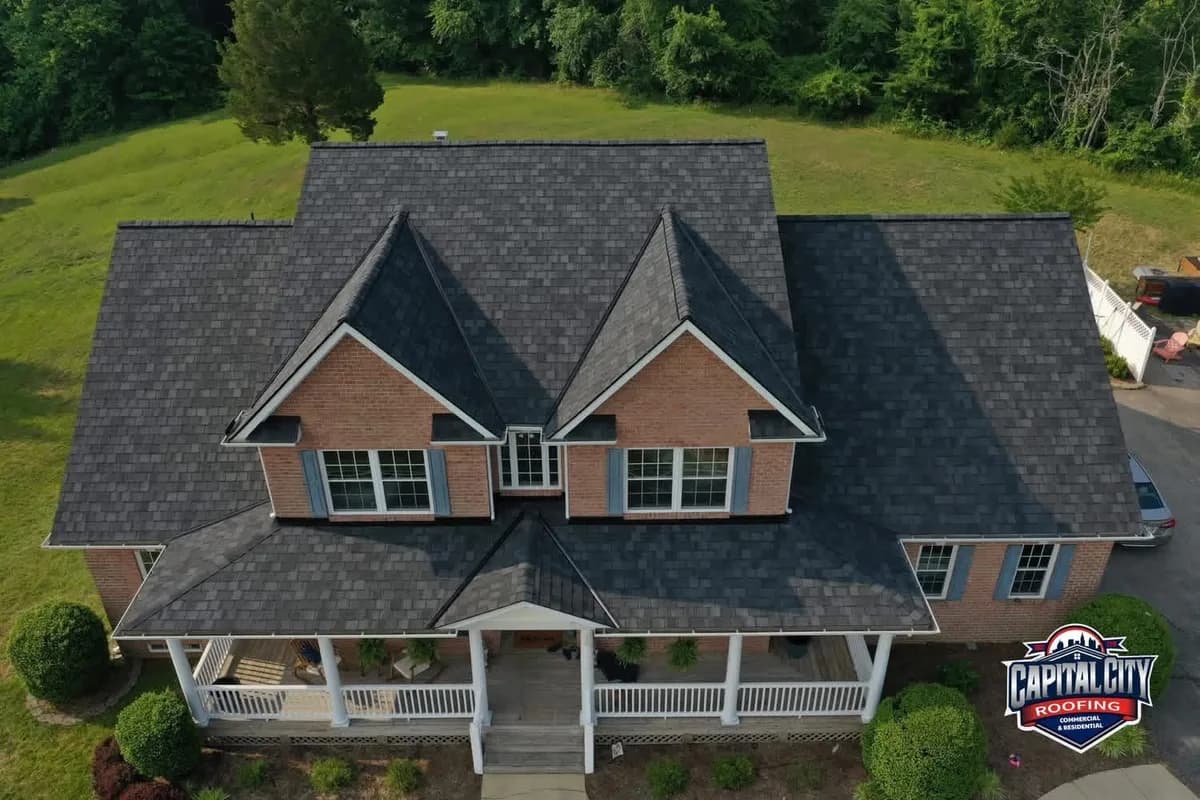
Photograph all roof damage including missing or damaged shingles, damaged flashing and vents, gutter damage, and debris impact points. Document interior damage such as water stains, ceiling damage, and wet insulation. Capture collateral damage to siding, windows, and landscaping. Keep all documentation organized by date and location.
## BuilderLync Technology Advantage
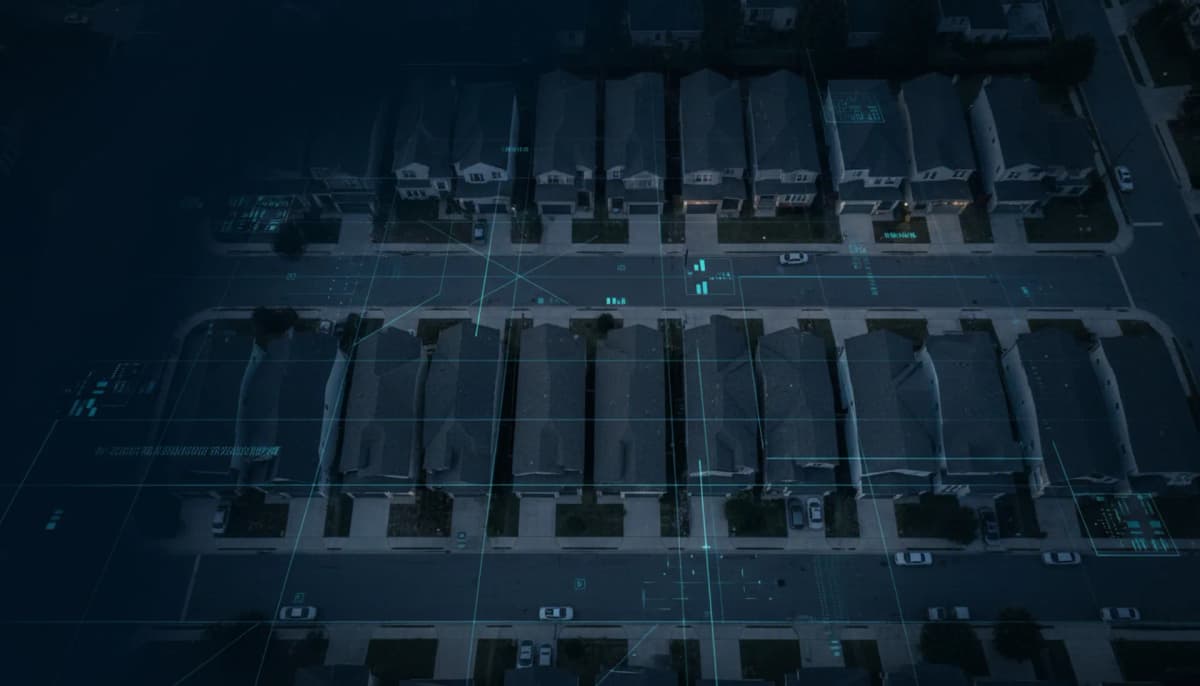
Capital City Roofing uses BuilderLync technology to create professional-grade documentation that insurance companies trust implicitly. Our reports include precise measurements, impact counts, damage mapping, and Xactimate estimates that match adjuster software. This technology-driven approach achieves our 98% claim approval rate on assisted claims.
## Common Documentation Mistakes
Avoid incomplete photo coverage, poor quality images, missing context shots, undocumented interior damage, and delayed documentation. Professional documentation prevents these issues and strengthens your claim significantly.
## Working with Professionals
Our free storm damage inspections include comprehensive BuilderLync documentation, coordination with insurance adjusters, supplement filing for missed damage, and complete claim management. Learn more at our [insurance claims page](/how-roof-insurance-claims-work).