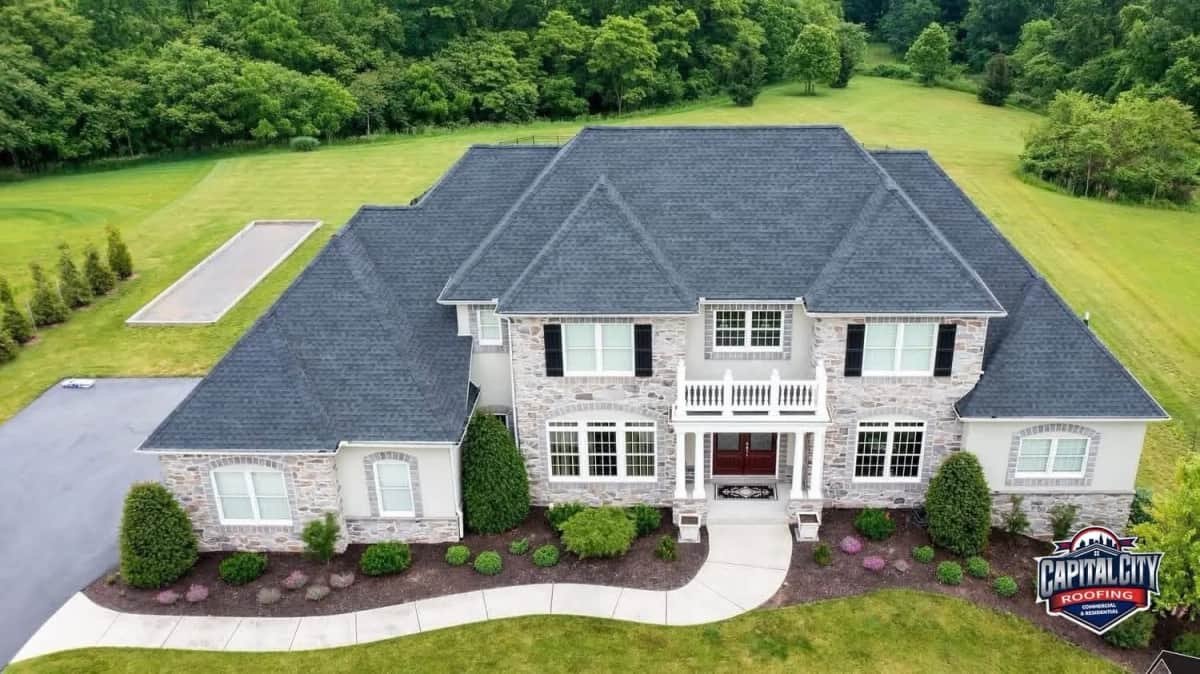
Solving the Roofing Labor Shortage: Why Talent Development Beats Recruiting
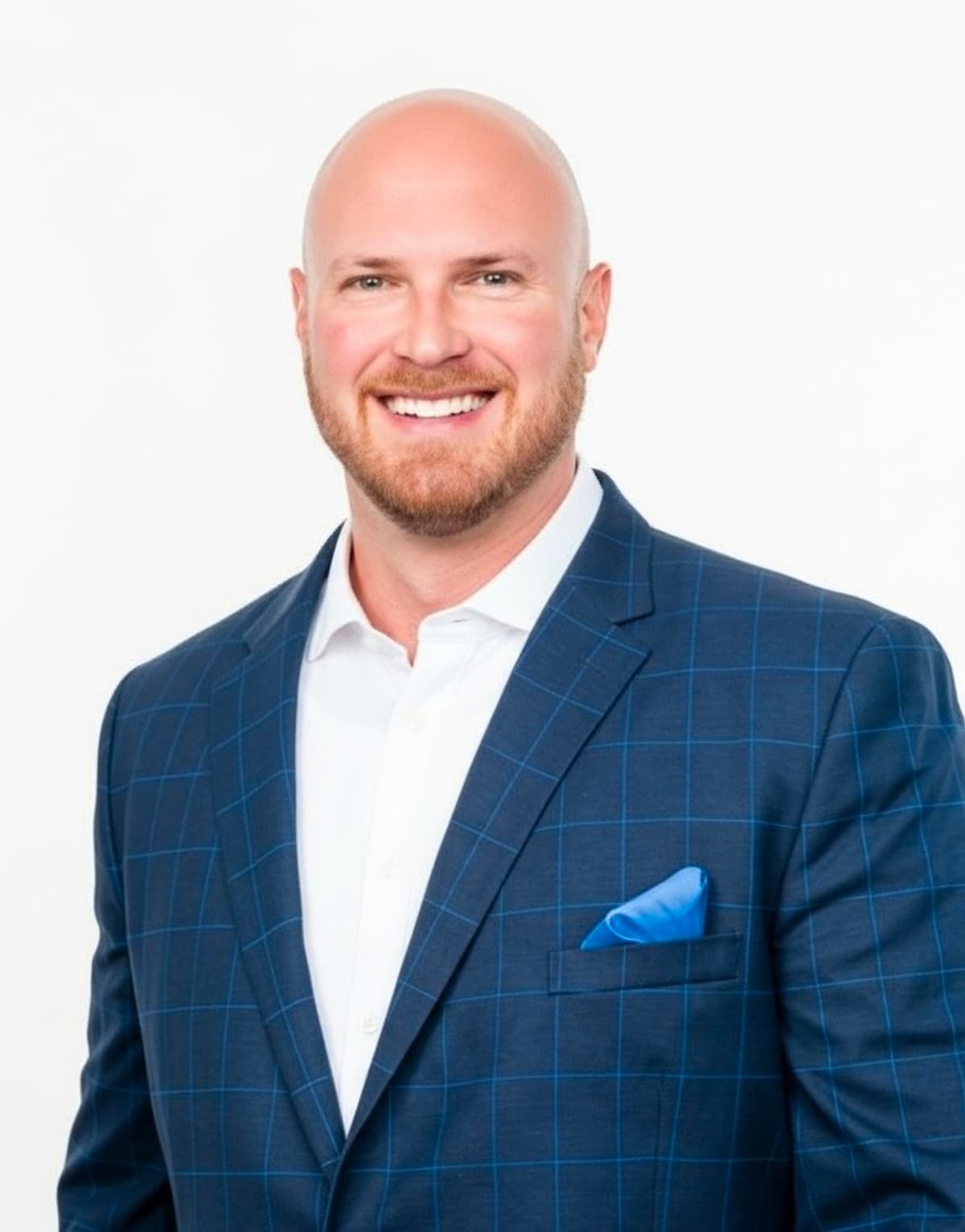
The roofing industry needs 349,000 workers this year alone. Our CEO Brad Strawbridge shares in Forbes why the contractors closing that gap are building training systems, not posting more job ads.
Our CEO Brad Strawbridge recently published a piece in Forbes detailing the industry's workforce problem: the trades need hundreds of thousands of new workers, and stealing them from competitors is not going to fix the shortage. The solution is talent development. Here is what that means for you as a property owner or contractor.
What the talent shortage means for property owners
When a roofing contractor cannot find or retain skilled labor, the customer feels the pain. Projects get delayed, quality drops, and communication breaks down. That is why Capital City Roofing does not rely on a transient labor pool. We build our own teams. When you contact us for an estimate, you are getting a crew that is trained, disciplined, and invested in the work.
How Capital City Roofing develops talent
We don't just complain about the labor shortage--we actively work to fix it. Our approach centers on structured apprenticeship and documented training systems. By partnering with the NRCA workforce development committee, holding NRAP board membership, and supporting the Georgia Roofing Workforce Initiative, we are building the pipeline of future roofing professionals. We hire for character and train for skill.
Training is a retention tool
Why do crews stay at Capital City Roofing? Because training is a retention tool. When a worker sees a clear path to mastery and career advancement, they stop looking for the next dollar down the street. They become part of a team. This stability means our commercial and residential projects are executed by crews who know our standard and take pride in delivering it.
Culture over compensation
We believe in paying well, but culture always beats compensation. The Capital City Cult OS and our disciplined systems ensure that every team member knows exactly what success looks like. There is no ambiguity. This clarity, powered by tools like BuilderLync, creates an environment where high performers thrive.
The licensing model spreads the solution
This focus on talent development and systems is exactly what our partners inherit when they join the Capital City Roofing Licensing Platform. Licensees do not just get a brand; they get the training playbook that develops top-tier crews in Nashville, Charleston, Alpharetta, Greenville, and beyond.
The labor shortage is real, but it is solvable. It just requires leadership.
Learn more:
- Read the original Forbes article and the companion piece on Brad's site.
- BuilderLync
- Capital City Roofing Licensing Platform
- Careers at Capital City Roofing
- Community Impact
- Feeding the Future Project
How to Use This Guidance Before You Schedule Work
The most useful roofing content should help you make a better decision before a contractor is standing in your driveway. For solving the roofing labor shortage: why talent development beats recruiting, the right next step is to separate visible symptoms from the full condition of the roofing system. Shingle wear, soft metal damage, lifted seams, stained ceilings, clogged valleys, aging pipe boots, and poor ventilation can point to different causes. A short walkthrough may catch the obvious issue, but a documented inspection gives you a stronger basis for deciding whether repair, replacement, maintenance, or insurance documentation is the correct path.
Capital City Roofing looks at roof condition, contractor selection, installation standards, documentation, warranty clarity, and next steps. That matters because a roof is not just the surface material. It is a full assembly that includes decking, underlayment, flashing, fasteners, penetrations, ventilation, gutters, drainage paths, and the workmanship details that decide whether the system performs through Georgia heat, wind, hail, and heavy rain. A beautiful roof can still fail early if the small details are ignored. A modest repair can also outperform a rushed replacement when the inspection proves the system still has service life left.
Homeowners, HOA boards, property managers, and commercial owners should ask for clear photos, plain-language findings, manufacturer-backed options, and a written scope before authorizing work. You should know what is urgent, what can be monitored, what affects warranty coverage, and what documentation may be needed if storm damage or an insurance claim is involved. You should also understand the difference between cosmetic wear, functional damage, and installation defects.
Our recommended approach is simple: document first, decide second. Start with a roof inspection that produces usable evidence, not a vague opinion. Review the findings with a certified roofing professional. Compare repair and replacement paths based on risk, budget, timing, and long-term value. If the roof needs work, choose a contractor with verified manufacturer credentials, local references, safety discipline, and a process that keeps you informed from the first call through final cleanup.
Capital City Roofing serves residential, commercial, and multifamily clients across metro Atlanta with GAF Master Elite, GAF Commercial Certified, CertainTeed ShingleMaster Premier, GenFlex Commercial Certified, Google Guaranteed, NRCA Member, RT3 Board of Directors, and Roofing Alliance Guarantor Member credentials. If this topic sounds like the situation you are facing, schedule a free 27-point inspection or contact the team for a direct recommendation based on the actual condition of your roof.
Brad Strawbridge
Founder & CEO · Forbes Business Council Member • RT3 & NRAP Board of Directors • GAF Master Elite® • CertainTeed ShingleMaster™ • NRCA Residential & Workforce Development Committees
Brad Strawbridge is the Founder and CEO of Capital City Roofing, bringing over a decade of hands-on expertise to the industry. He is an official member of the Forbes Business Council, the invitation-only community for vetted senior-level business leaders, and serves on the Boards of Directors of the Roofing Technology Think Tank (RT3) and the National Roofing Apprenticeship Program (NRAP). A member of the National Roofing Contractors Association (NRCA), Brad has been appointed to the NRCA Residential Roofing Committee and the NRCA Workforce Development Committee, helping set national standards for installation quality and the future of the roofing labor force. Under his leadership, Capital City Roofing has achieved elite certifications held by fewer than 1% of contractors nationwide.