Roof Ventilation: Why It Matters Year-Round
Understanding roof ventilation systems and their critical role in roof longevity and energy efficiency.
Proper roof ventilation is essential for roof longevity, energy efficiency, and preventing moisture damage.
## How Ventilation Works
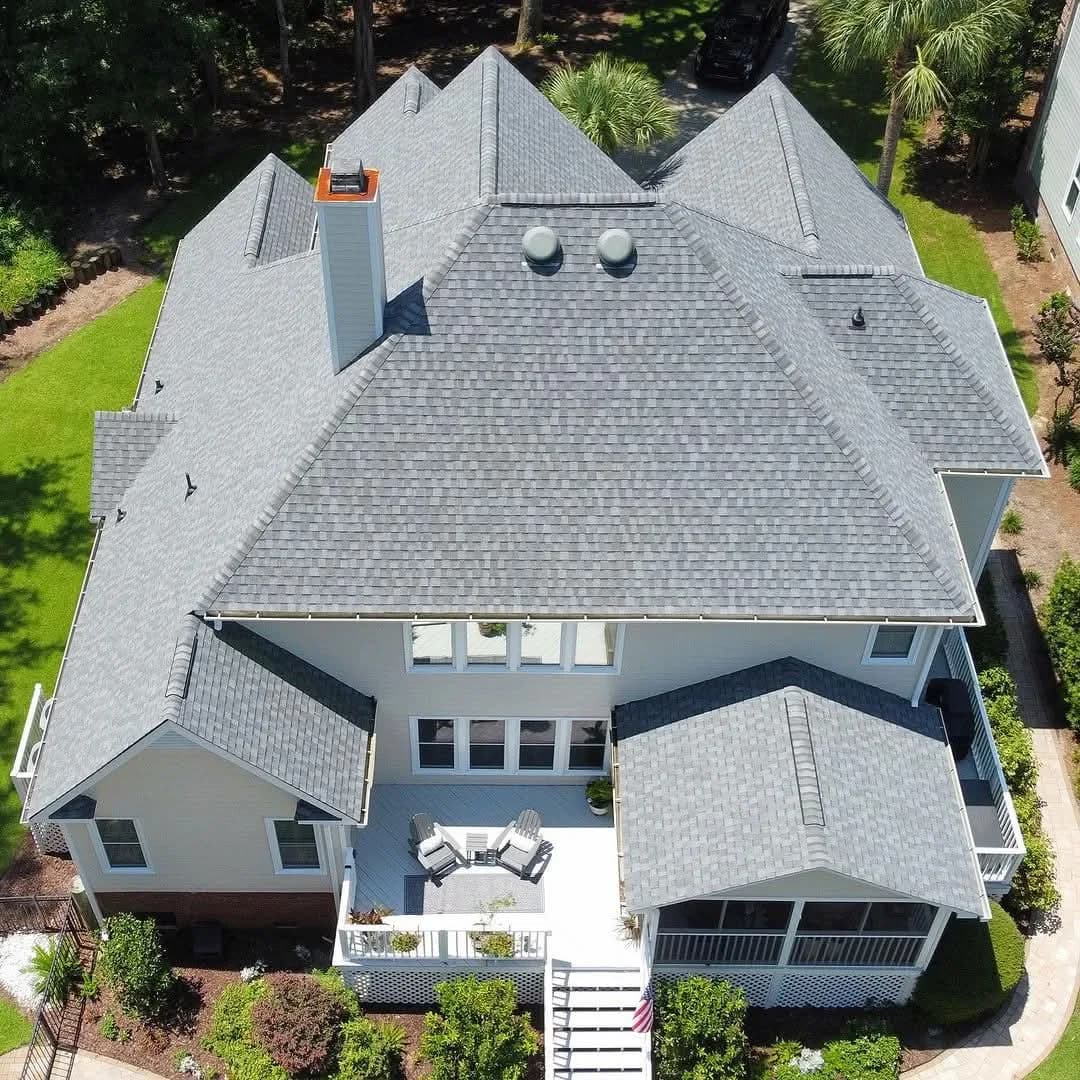
Roof ventilation systems use intake vents (soffit vents) and exhaust vents (ridge vents, gable vents, or roof vents) to create continuous airflow. This airflow removes heat and moisture from attic spaces, protecting roofing materials and insulation.
## Summer Benefits
Proper ventilation reduces attic temperatures by 20-30 degrees during Georgia summers. This extends shingle life by reducing heat stress, lowers cooling costs by 15-25%, and prevents premature aging of roofing materials.
## Winter Benefits
Ventilation prevents moisture accumulation that causes mold growth, wood rot, and insulation damage. In north Georgia, it prevents ice dam formation by maintaining consistent roof temperatures.
## Signs of Poor Ventilation
Look for excessive attic heat in summer, moisture or frost in attic during winter, curling or buckling shingles, mold or mildew in attic, and high energy bills.
## Ventilation Solutions
Capital City Roofing assesses ventilation adequacy and recommends solutions including ridge vent installation, soffit vent addition, attic fan installation, and proper insulation. Proper ventilation is essential for warranty compliance and roof longevity.